The Portrait My Grandmother Left Me
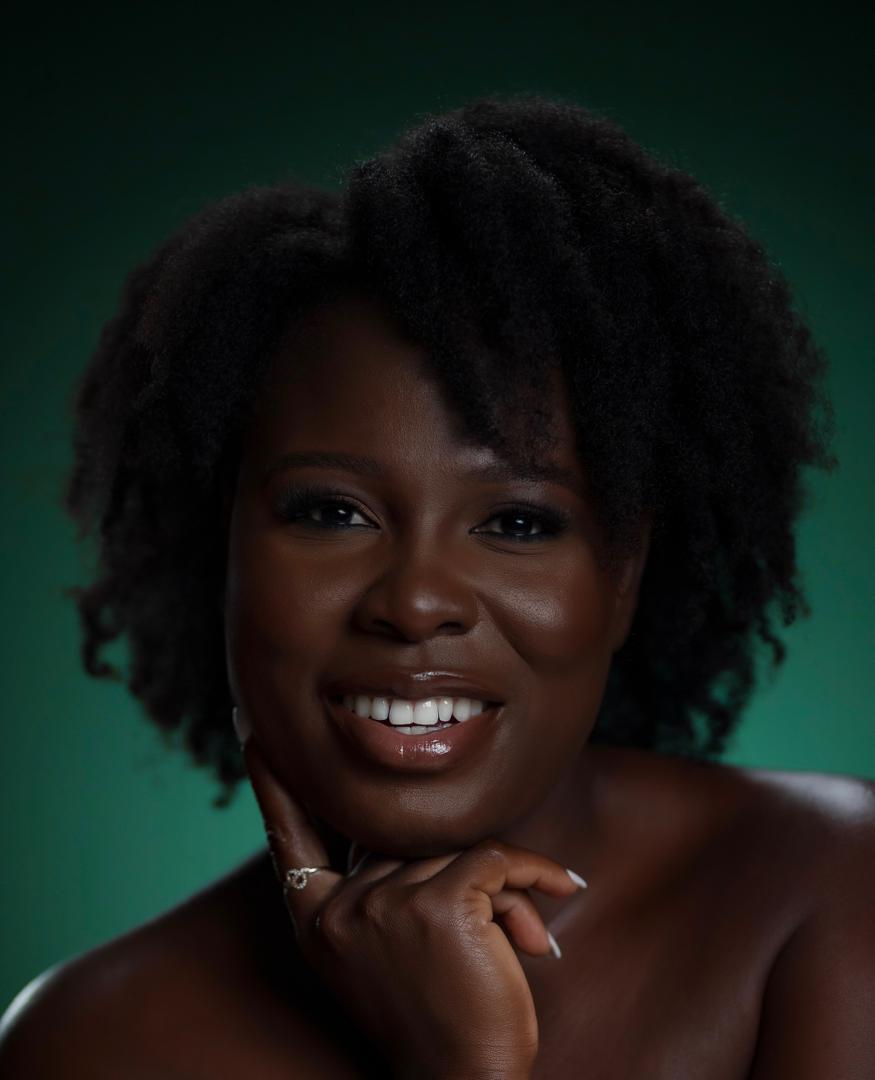
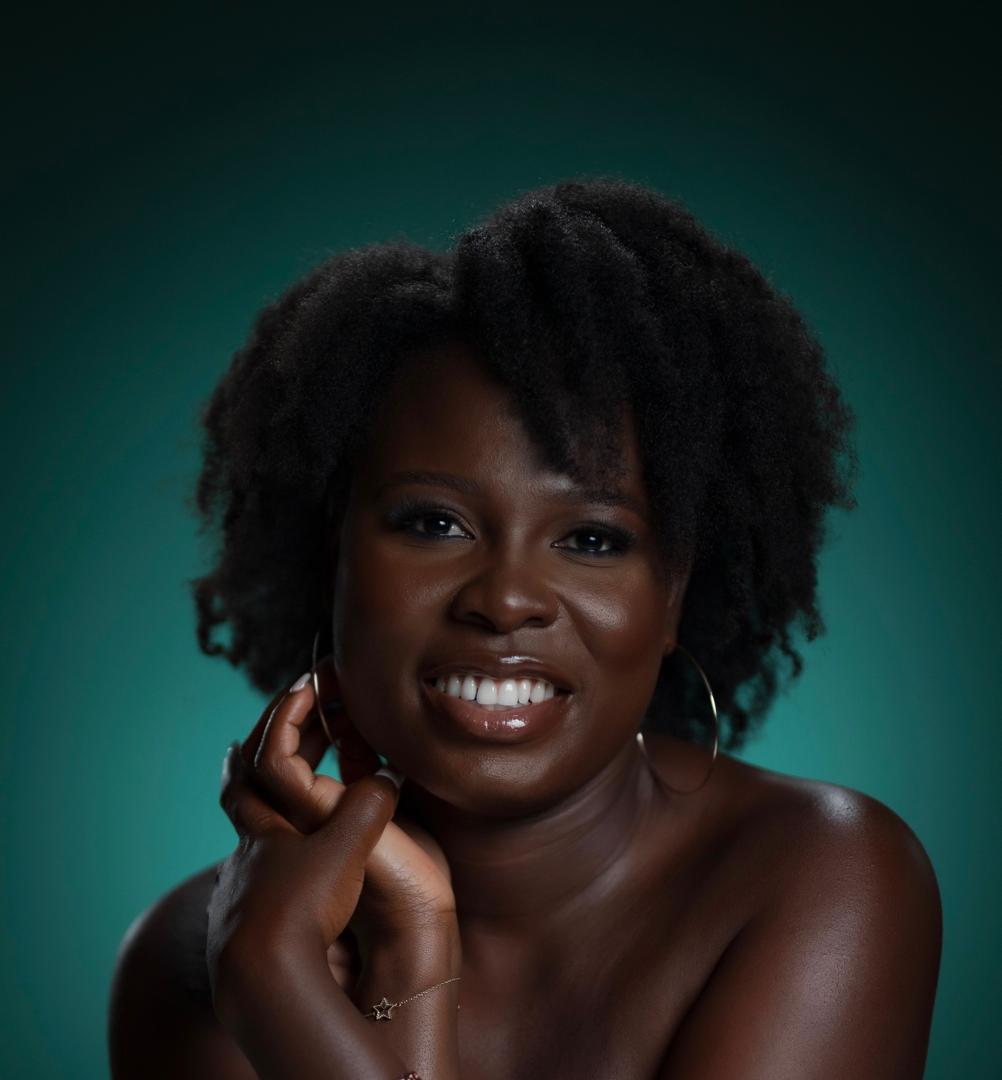
There is something this photograph knows that I didn’t know when it was taken.
When you look at it, you see a woman smiling.
You see natural hair. Bare shoulders. Soft light. Confidence.
What you don’t see are the fresh surgical bandages hidden beneath my clothes. You don’t see the pain that pulsed through my body every time I shifted my weight. You don’t see the fear I was quietly carrying.
Sometimes our strongest photographs are taken on the days we feel our weakest.
This was one of those days.
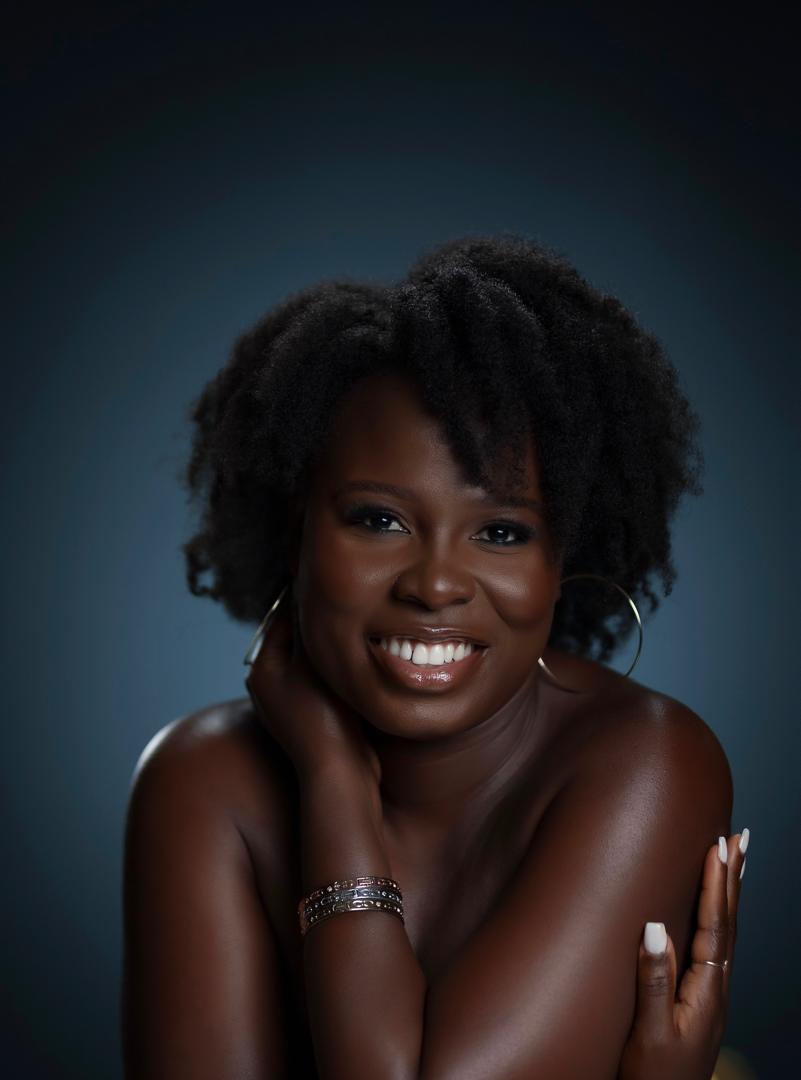
My friend, @refleximages (Paul), came to visit me not long after I’d had surgery. My birthday was approaching, but I wasn’t thinking about celebrations. I barely had the energy to do my hair.
When Paul saw me, he smiled.
“Nana,” he said, “let’s shoot exactly like this.”
No makeup artist.
No elaborate styling.
No carefully constructed image.
Just me.
He thought I looked beautiful in my rawness.
He had no idea what I was carrying beneath the surface.
He didn’t know the bandages under my clothes were still soaked.
He didn’t know I was smiling through pain.
He didn’t know I was exhausted.
But maybe that’s why the photographs worked.
Because they weren’t trying to make me beautiful.
They simply revealed what was already there.
Paul and I met years ago at the School of Performing Arts, so creating together has always felt natural. Our photoshoots never last an hour. Somehow they always become an entire day of photography, dancing, feasting, laughter and catching up on every piece of gossip from the arts industry.
When he finally sent me the edited photographs, he added one message.
“Nana… come back to the arts. We’re waiting for you.”
I laughed.
Then I closed my phone.
I didn’t even look at the photographs until I got home.
When I finally opened them…
I cried.
Not because I saw myself.
Because I saw my grandmother.
My grandmother was my safest place.
She was a nurse with the Planned Parenthood Association of Ghana (PPAG), and some of my most treasured childhood memories were traveling with her from community to community as she educated women about reproductive health. She believed information could save lives. She believed women deserved dignity. She believed caring for women wasn’t simply a profession — it was a calling.
She gave everything she had to other people.
Everything.
The heartbreaking irony is that the woman who spent her life teaching women to care for themselves struggled to care for herself.
Cancer came quietly.
I watched it steal her piece by piece.
I remember the wounds.
I remember the smell illness leaves behind.
I remember the exhaustion in her eyes.
But what I remember most…
is her smile.
Every morning, despite unimaginable pain, she somehow found the strength to smile before leaving to care for someone else.
She carried everyone’s burdens until her own became impossible to carry.
By the time she finally stopped…
it was too late.
There is another reason this photograph brought her back to me.
A reason I’ve rarely spoken about.
Growing up, being a dark-skinned little girl didn’t feel beautiful.
At least, society didn’t make it feel that way.
Dark skin was something people whispered about.
Fair skin was praised.
Celebrated.
Preferred.
My grandmother was light-skinned.
My younger brother was light-skinned too.
She noticed things I was too young to understand.
She saw how strangers rushed to compliment him while I quietly stood beside him.
She noticed whose cheeks people pinched first.
Whose beauty they spoke about first.
Whose presence they celebrated first.
She saw the invisible wounds that comparison leaves on a little girl’s heart.
So she became my mirror before the world could become my judge.
She refused to let the world tell me who I was.
Instead, she told me every single day.
She would hold my face in both hands and say,
“You are Black, and you are beautiful.”
Again.
And again.
And again.
She celebrated everything the world tried to make me insecure about.
My full lips.
My broad jawline.
My dark skin.
The very features children teased me for became the features she admired most.
Looking back now, I realize she wasn’t simply complimenting me.
She was preparing me.
She was building a confidence that prejudice could never destroy.
She was planting seeds she knew she might never live long enough to see bloom.
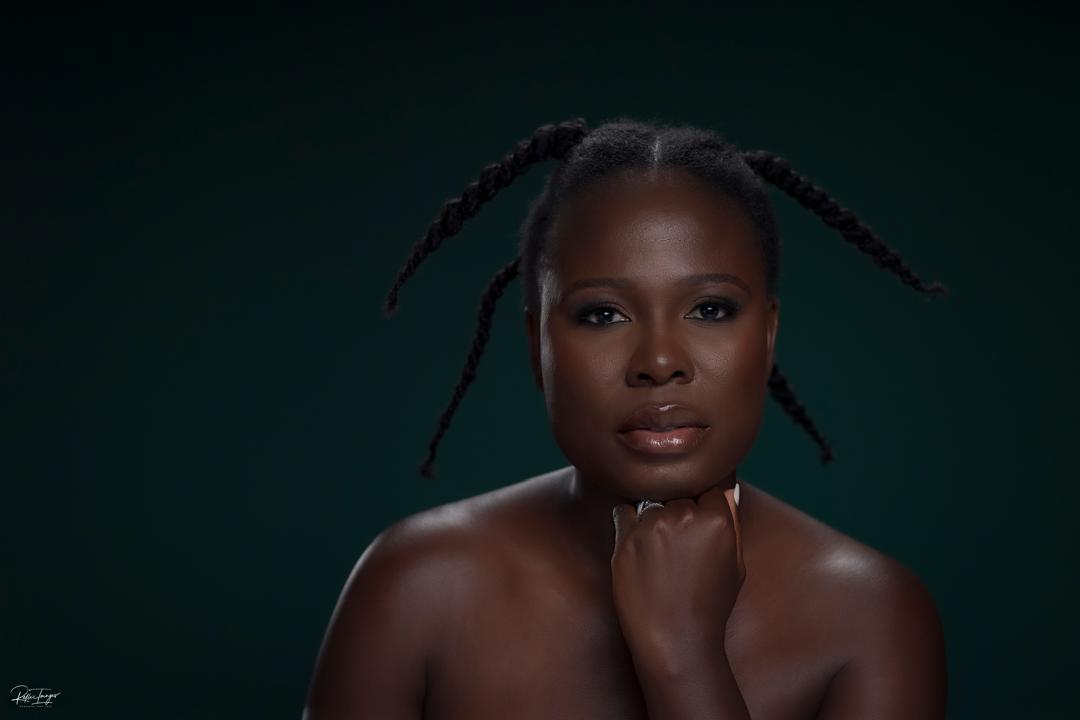
In her final days, she sat behind me one last time to braid my hair.
Halfway through, she stopped.
She gently lifted my chin.
She looked directly into my eyes.
Then she smiled.
“You are Black, and you are beautiful. Never let anyone tell you otherwise.”
There was a long silence.
Then she continued.
“I know I won’t be here for long. I’ve taught you enough. You are the first girl, just like me. The boys will be fine. Be strong. Make me proud. Wherever I am, I’ll be smiling.”
I cried then.
I still cry now.
Because she was right.
She isn’t here.
But somehow…
she still is.
Every time I choose courage over fear.
Every time I embrace the face she taught me to love.
Every time I speak life into another woman.
She is there.
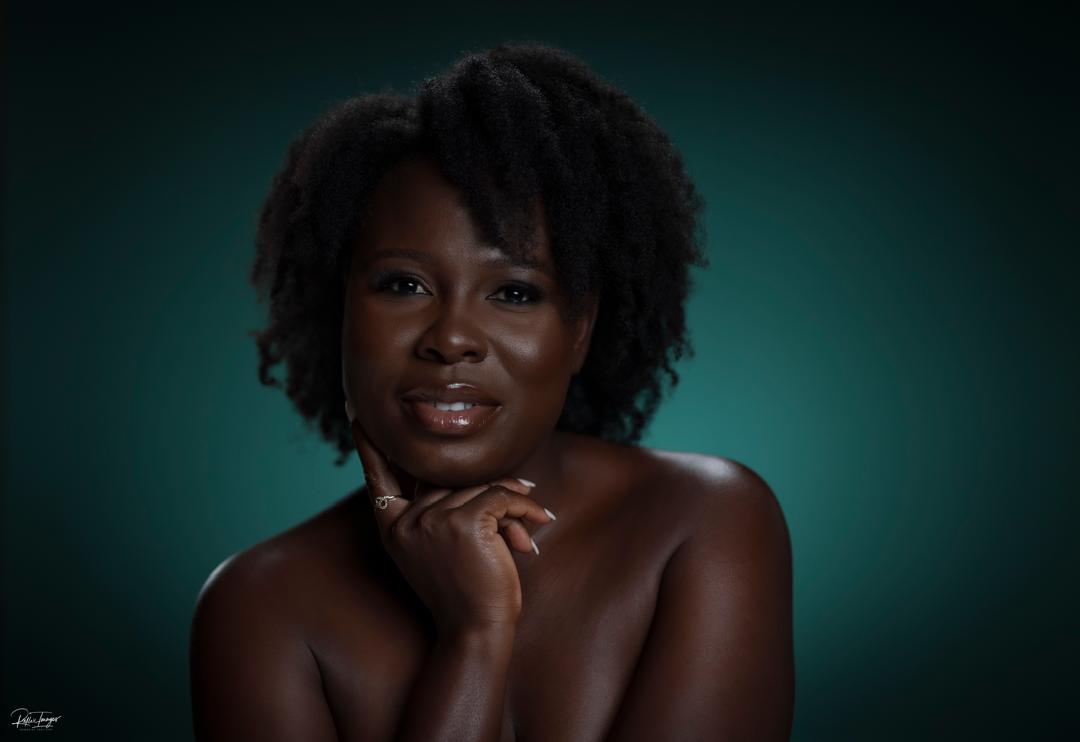
When I stumbled across these portraits again in my archives, I realized something.
Neither Paul nor I knew we were documenting more than a birthday portrait.
We were documenting healing.
We were documenting resilience.
We were documenting a granddaughter carrying the legacy of the woman who raised her.
And we were documenting a fear I have carried quietly for years.
Breast cancer.
Cancer has already written one chapter in my family’s story.
I know what it looks like.
I know what it sounds like.
I know what it smells like.
I know what it steals.
And because I know…
I refuse to pretend it isn’t real.
Having a family history doesn’t mean my future has already been written.
It means I have every reason to pay attention.
To examine myself.
To keep my appointments.
To ask questions.
To do my screenings.
To choose vigilance instead of denial.
Because early detection doesn’t just save lives.
Sometimes…
it saves generations.
As Breast Cancer Awareness Month approaches, this photograph reminds me of more than survival.
It reminds me of inheritance.
Not just the inheritance of disease.
But the inheritance of courage.
Of beauty.
Of resilience.
Of advocacy.
My grandmother spent her life encouraging women to take care of themselves.
Today, I choose to continue the work she started.
For her.
For me.
For my daughter.
For every woman who has ever postponed the appointment because she was afraid of what she might hear.
For every little dark-skinned girl who has ever questioned whether she was beautiful enough.
For every woman carrying scars no one else can see.
If this story reaches you today, let it be the gentle push you needed.
Check your breasts.
Schedule the screening.
Know your family history.
Speak to your doctor.
Do not wait until fear becomes regret.
Because the greatest way I can honor the woman who taught me to live…
is to keep living.
And every time I look at this portrait, I hear her voice all over again.
“You are Black.”
“You are beautiful.”
“Be strong.”
“Make me proud.”
Grandma…
I still am trying. ❤️🎗️